From AI regulation to NHS adoption: Insights from Hardian Health Tech Summit 2026
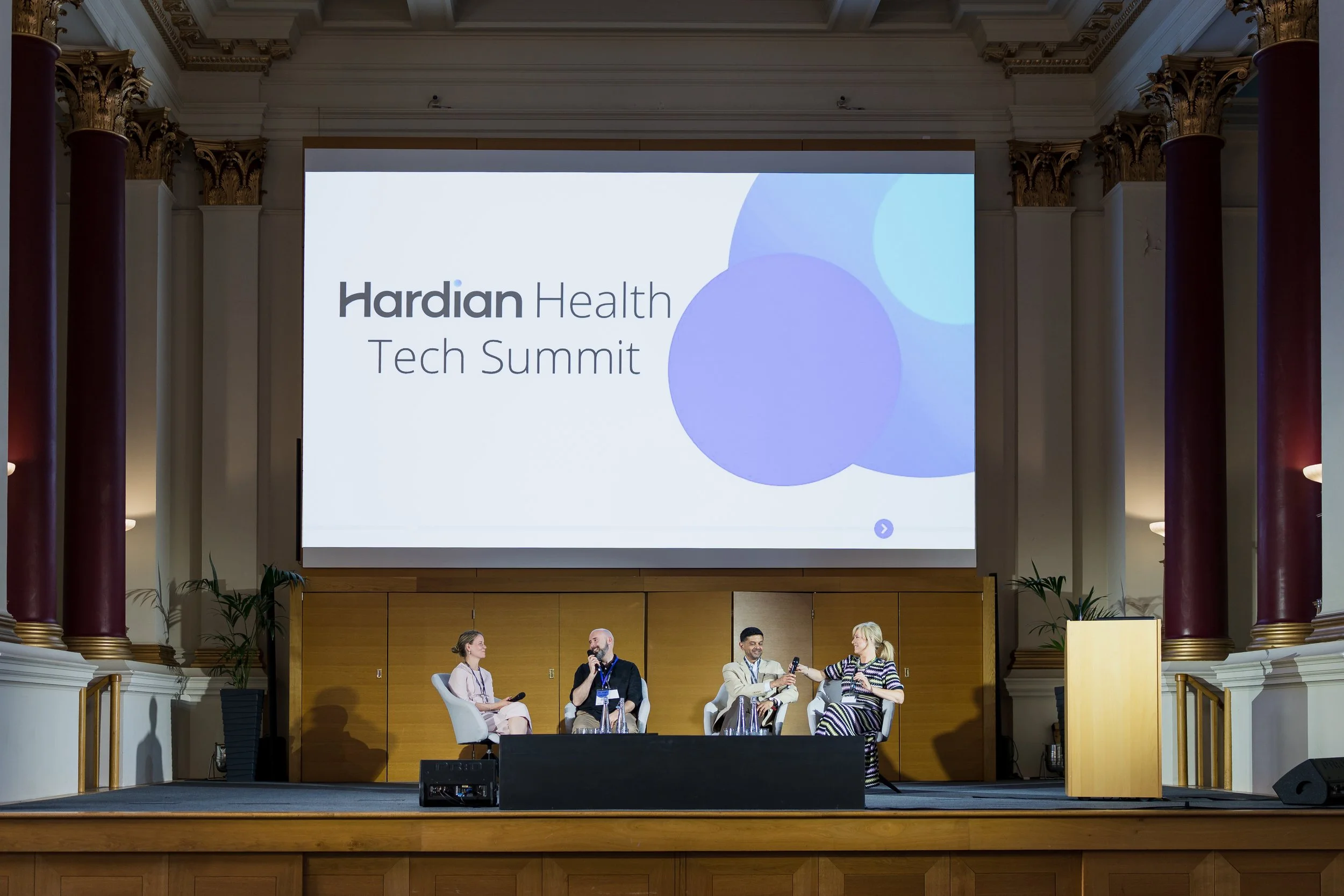
On 29 April, Hardian hosted its biggest event yet at BMA House in London. The Hardian Health Tech Summit 2026 brought together regulators, clinicians, founders, and industry leaders to explore the realities of getting HealthTech solutions to market, from AI liability and regulatory strategy to NHS adoption and post-market surveillance.
This year's summit was massive, with speakers from the MHRA, the FDA, NICE, BSI, Kiwa, Scarlet, Burges Salmon, and a lineup of founders and clinicians who've been through the process of getting their health tech solutions to market. The Hardian team also ran three hands-on workshops on health economics, market access, and integrated management systems.
There was a lot to take in, but here are the highlights!
Who's liable when AI goes wrong?
Rory Trust from Burges Salmon opened the day on liability in healthcare AI. To paraphrase, liability is shared across the entire value chain, from foundation model providers to deployers to patients, and it doesn't sit neatly with any one party.
His advice for manufacturers was to get the contractual basics locked down early (liability caps, clear product definitions, proper user training) while also building out AI governance with leadership oversight and robust monitoring. It’s worth noting that the UK liability regime is set for a busy 2026, with the Law Commission's product liability review, the UKJT's draft paper on AI harms, and anticipated MHRA legislative reforms all landing this year.
Four clearances and counting
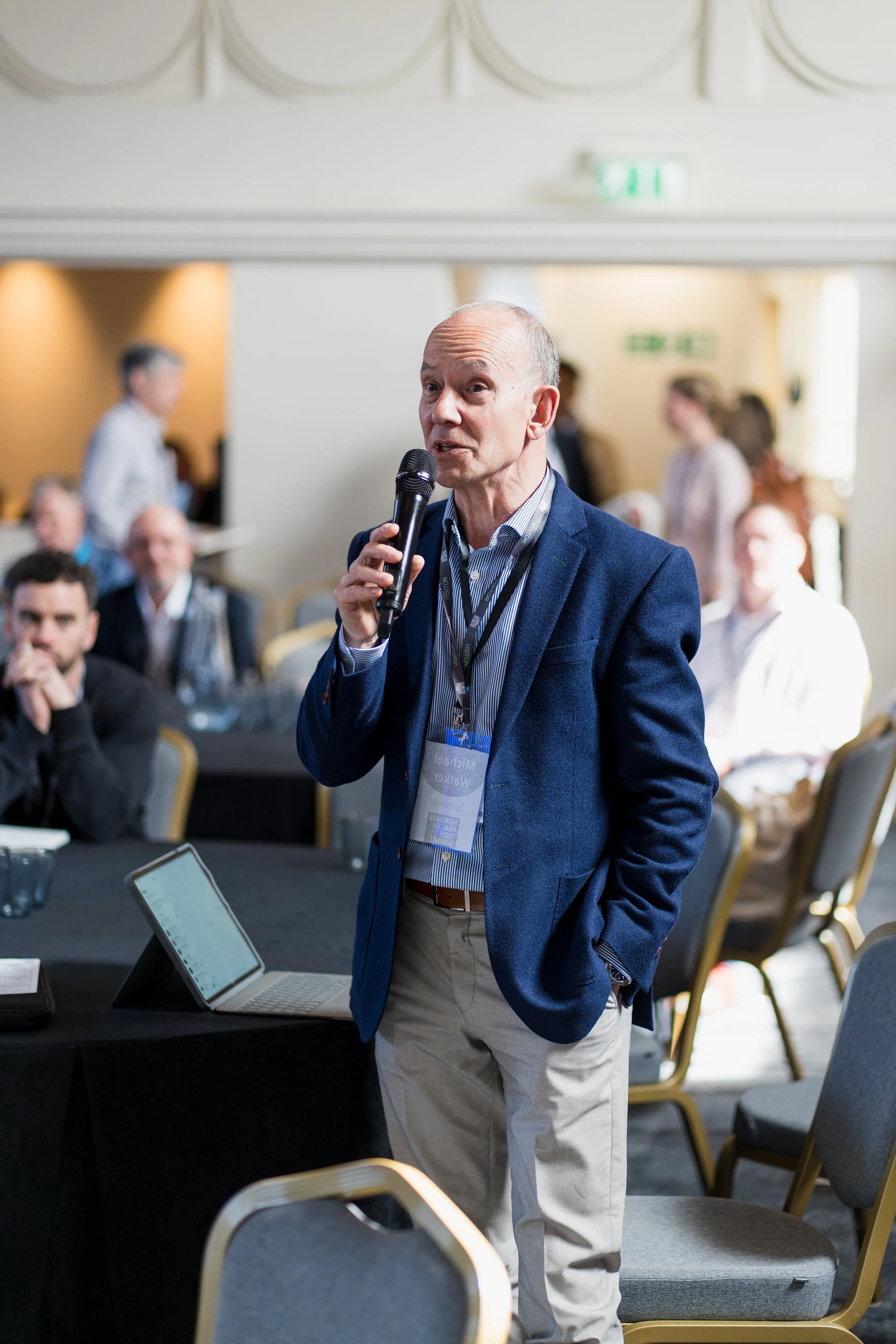
Michael Walker from MyCardium, a 2022 UCL spin-out, walked through their journey from academic concept to globally scaling med-tech company. Their AI tackles human variability in cardiac imaging, delivering a 40% improvement in test-retest repeatability compared to international experts. Two software platforms (1CMR Pro for cardiac MRI, EchoConfidence for echocardiography) sit alongside a dedicated Core Lab for pharma and clinical research. With £18m in signed business, ISO 13485 certification, and FDA 510(k) clearances secured, the focus now is global expansion.
What happens after clearance?
Dr Alastair Denniston and the CERSI-AI team from the University of Birmingham pulled on three threads. The first was AI readiness among health providers. UK health organisations are finding adoption difficult in practice, which creates a commercial headache for manufacturers trying to convert business development into revenue. The team proposed an AI readiness checklist to help manufacturers prioritise which organisations to target.
The second was monitoring. The evaluation pathway for AIaMD is less defined than for drugs, and current adverse event reporting creates signal lag and risks under-reporting of patient harm. A "Rapid Response Checklist" for when health AI fails is in development. The third was a Health Chatbot Users' Guide, a consensus-based framework to help the public use AI chatbot tools for healthcare safely.
Picking the right notified body
Dr Sandy Wright (Scarlet), Wouter Wunderink (Kiwa), and Simon Lidgate (BSI) each shared their perspective on what manufacturers should be thinking about when choosing a notified body.
Each one is designated to certify specific product types, so a device with both hardware and software components may need different assessment expertise than a pure SaMD product. Kiwa walked through their conformity assessment process under EU MDR and ISO 13485, covering two-stage audits, technical documentation reviews, and how they handle non-conformities. Scarlet outlined how their model works differently for software-only devices, with a subscription approach that lets manufacturers ship regular updates without the admin overhead of traditional fee-per-submission structures. BSI brought the perspective of a full-scope body covering all 71 MDR designation codes.
If there was one thing worth taking from it, it's that this decision is a lot easier to get right at the start than to fix six months in.
Building an AI factory
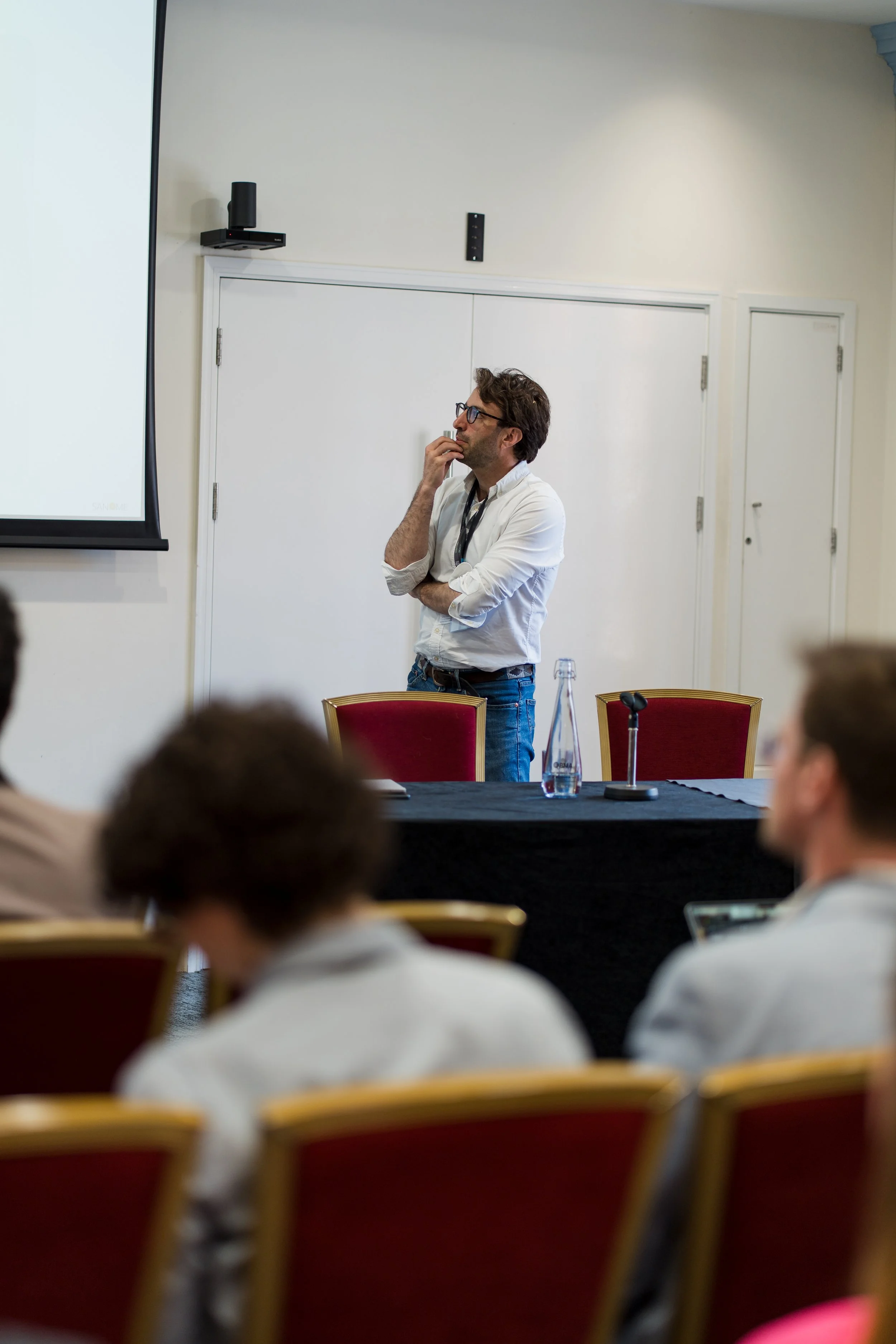
"We spent ages trying to get around doing the hard thing, until we realised, we'll just do the hard thing." That was the standout takeaway from Sanome's session led by CEO and founder Benedikt von Thüngen and Engineering & IG Lead, Eddie Pease. When it comes to securing regulatory clearance, often going through the difficult process is exactly what is required to ensure your healthtech solution is able to create its intended impact.
The team at Sanome know this all too well, having recently secured CE Marking for its AI-powered clinical decision support tool, MEMORI, as a Class IIb medical device – the first UK-built certified software solution designed to help clinicians predict hospital-acquired infections in neurological patients.
The wider lesson from Sanome's journey is one the sector would do well to take seriously, which is that regulation isn't a box-ticking exercise to be deferred but rather a core part of building a product that can actually reach patients. Or, as Benedikt likes to put it, regulation is sexy. By embedding quality and compliance into their mission from the outset, Sanome has shown that ambitious AI in healthcare and rigorous regulatory standards are what makes real-world impact possible.
An action-packed regulatory adventure
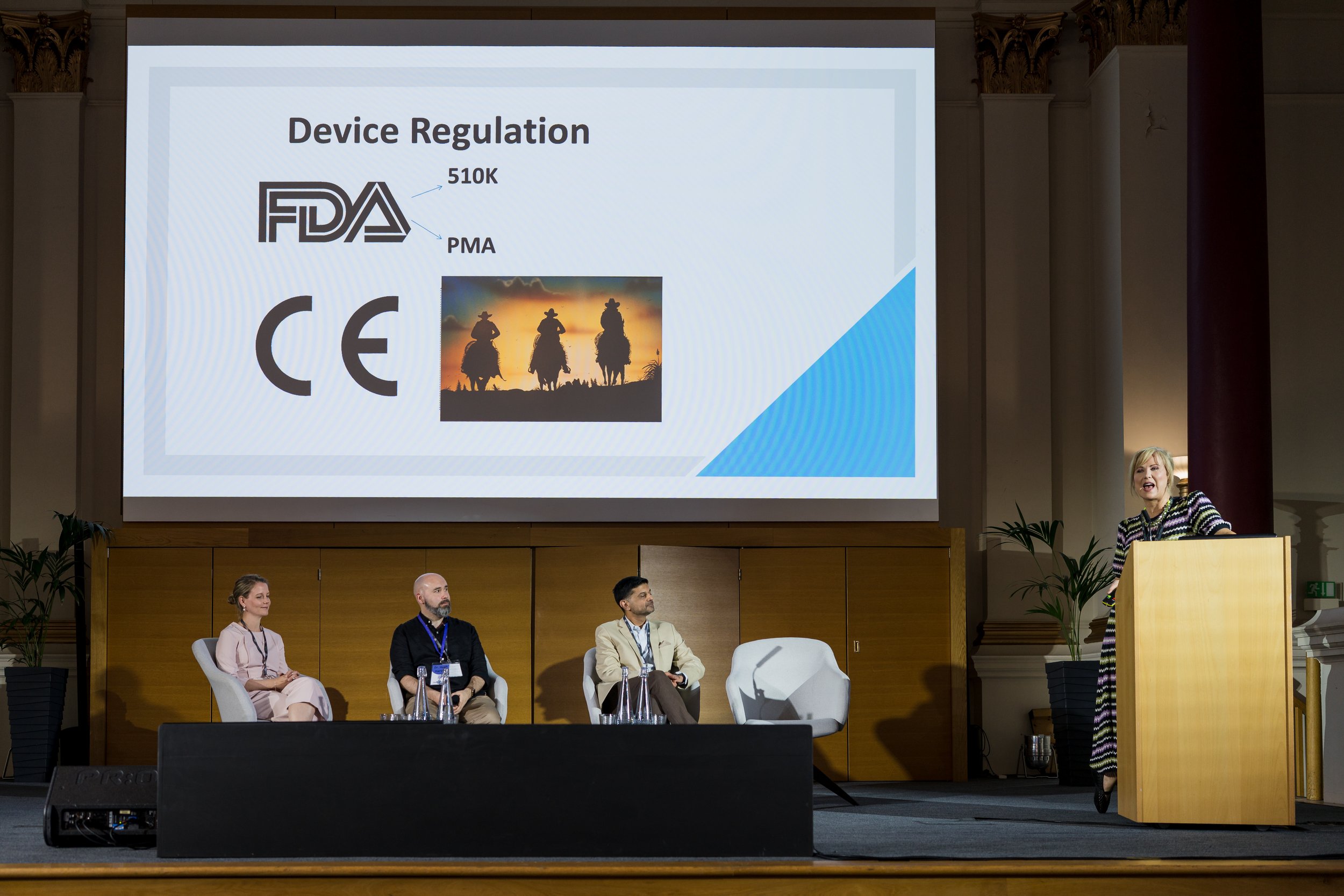
What would a Hardian summit be if we didn’t hear from the regulators themselves? Gabi Commatteo, Suzanne Fuller, Francesca Edelmann and Anastasia Chalkidou shared the UK regulatory and evaluation picture from the MHRA's perspective, with Krishna Juluru bringing the FDA view.
Gabi walked us through the MHRA's AI Airlock Programme, which moves into its second phase this year, and the National Commission's work on a new AI regulatory framework due this summer. Suzanne followed up with the practical side of post-market surveillance, covering the stricter monitoring requirements that came into effect in June 2025 and what manufacturers need to have in place. Francesca then spoke about the MHRA's guidance on digital mental health technologies, and Anastasia gave us the NICE perspective on pathways and evaluation. Across all of them, the same thread kept coming up, that regulation is moving away from a single pre-market gate and toward something more continuous.
Krishna, who used to work at the FDA's Digital Health Center of Excellence, opened his session by calling it an "action-packed regulatory adventure," then immediately told us not to trust anyone who uses those words in one sentence. He covered the 2026 CDS guidance update, the revised General Wellness Policy, and the rebuffed Harrison.ai petition. The FDA's own decisions are saying post-market monitoring can't do the job of pre-market review, but the wider US policy direction keeps leaning that way.
Who's checking the evidence?
Paul Wicks shared insights into how to improve evidence collection in digital health, and why so many companies struggle to prove their products do what they say. He spent over a decade running R&D at PatientsLikeMe and has published more than 200 peer-reviewed studies, and he now runs ProofStack Health, where he works with digital health companies on their evidence and publication strategies. With the NHS gearing up to launch its HealthStore, his point about getting evidence right before you need it landed well.
Deborah Cohen talked us through what her career in investigative health journalism has looked like in practice. She trained as a doctor before setting up the investigations unit at The BMJ, then moved into broadcasting, working on investigations for BBC Panorama, Channel 4 Dispatches, and BBC Newsnight. A lot of that work has led to policy changes, whether in medical device regulation or pharmaceutical transparency. She also spoke about her latest book, Bad Influence, which looks at how social media and health influencers have stepped into the space left by overstretched health systems.
The Hardian workshops
And last but not least, the Hardian team ran three workshops alongside the main programme. Here’s what they covered:
HEOR for AI/SaMD Unlocked explored how economic evaluation works for AI and software medical devices. HEOR data helps manufacturers with go/no-go decisions, pricing justification, and signalling business maturity to investors, not just regulatory submissions. A recurring challenge the team sees is collecting downstream data like patient outcomes, and a lack of clarity around a device's economic potential. The advice was to start collecting primary data early and build economic models before you need them.
From pilot to procurement tackled the gap between a successful pilot and NHS procurement. The session used a Key Business Questions Framework, working through why the product matters, what the evidence looks like, how it gets funded, and who the decision-makers are. Adoption is still driven primarily at the local level through ICBs and Trusts, so securing senior leadership support and building relationships with clinical champions are where most companies need to focus.
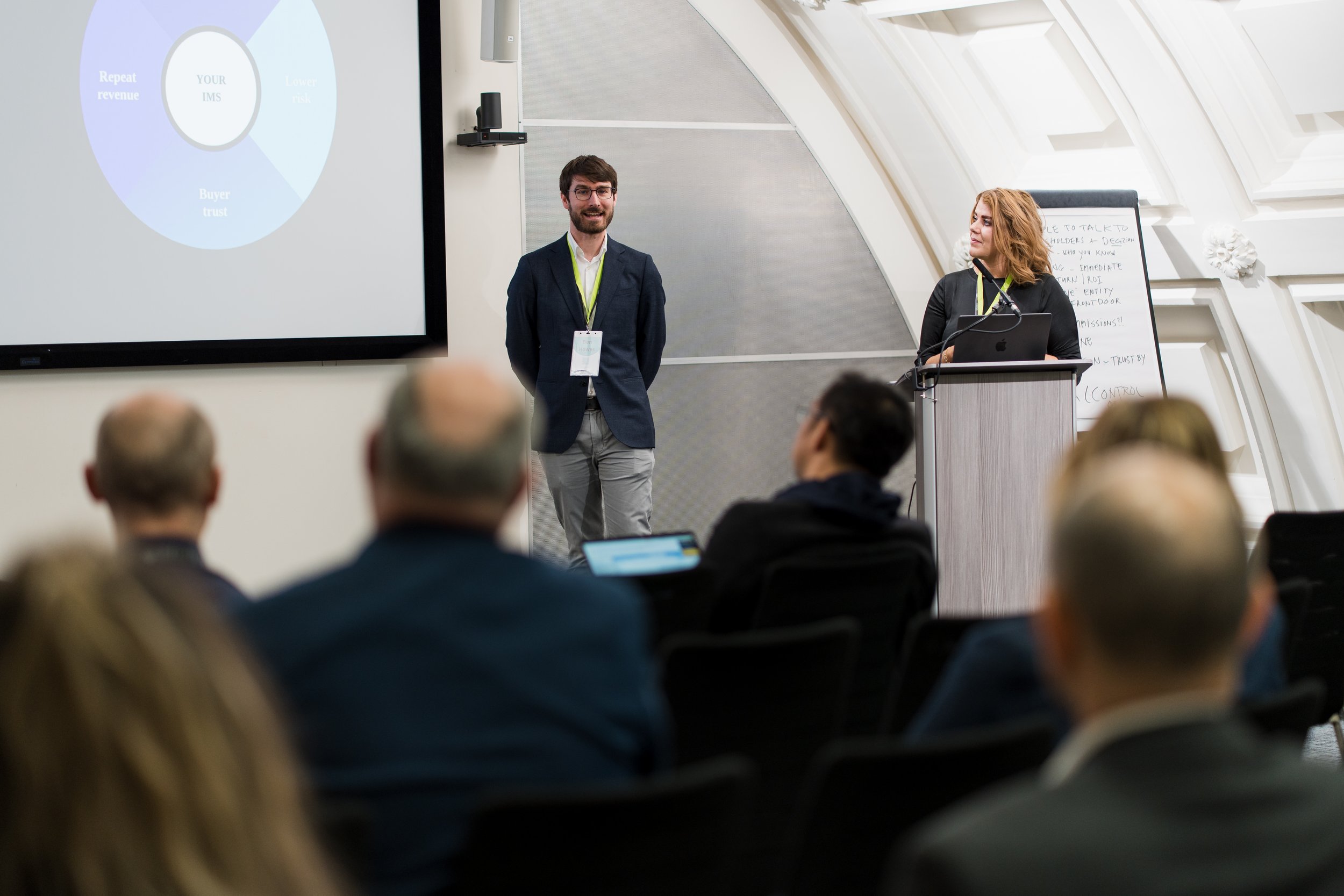
Integrated Management Systems made the case for bringing quality, security, and risk into a single operating model. The business benefits? Shorter procurement cycles, faster security reviews, less rework. For a growth-stage company, certification typically takes 6-9 months, and building the IMS with the business rather than bolting it on afterwards is what makes the difference.
And that's a wrap!
A huge thank you to every attendee, speaker and workshop host, and to everyone who asked the questions that made the day worth having.
Sign up to our newsletter to hear when next year's tickets go live. And if you haven't tried HaRi yet, what are you waiting for? You’re one search away from finding all the information on devices, safety events, and market status without toggling between multiple regulatory and government portals!
See you next year.